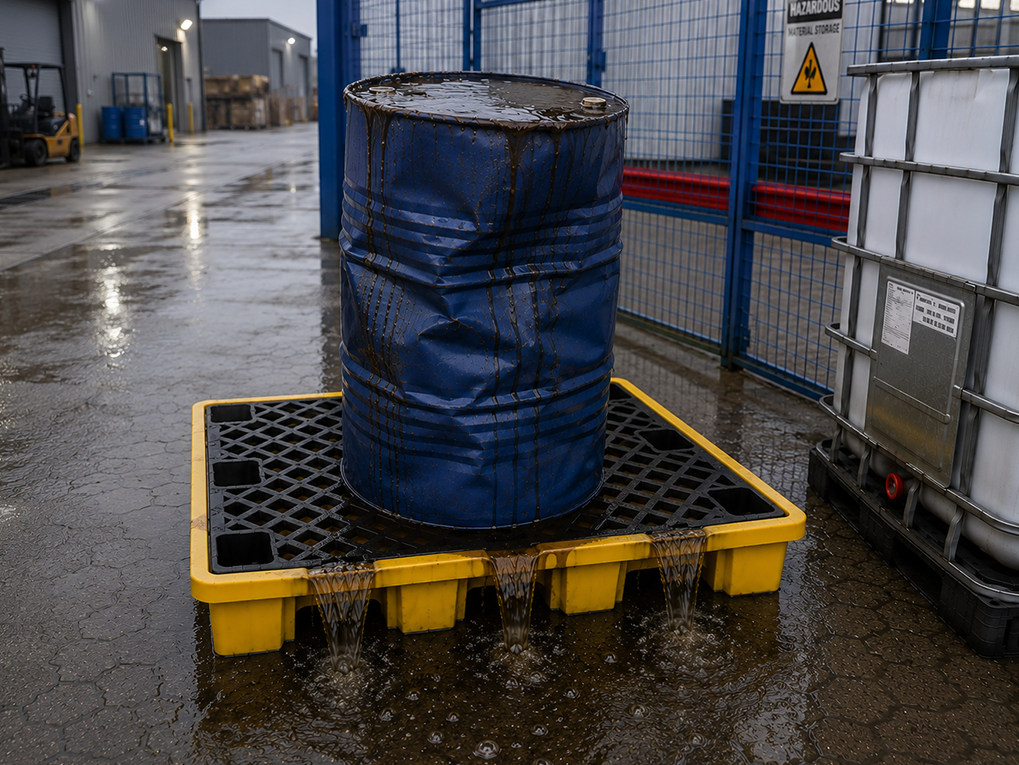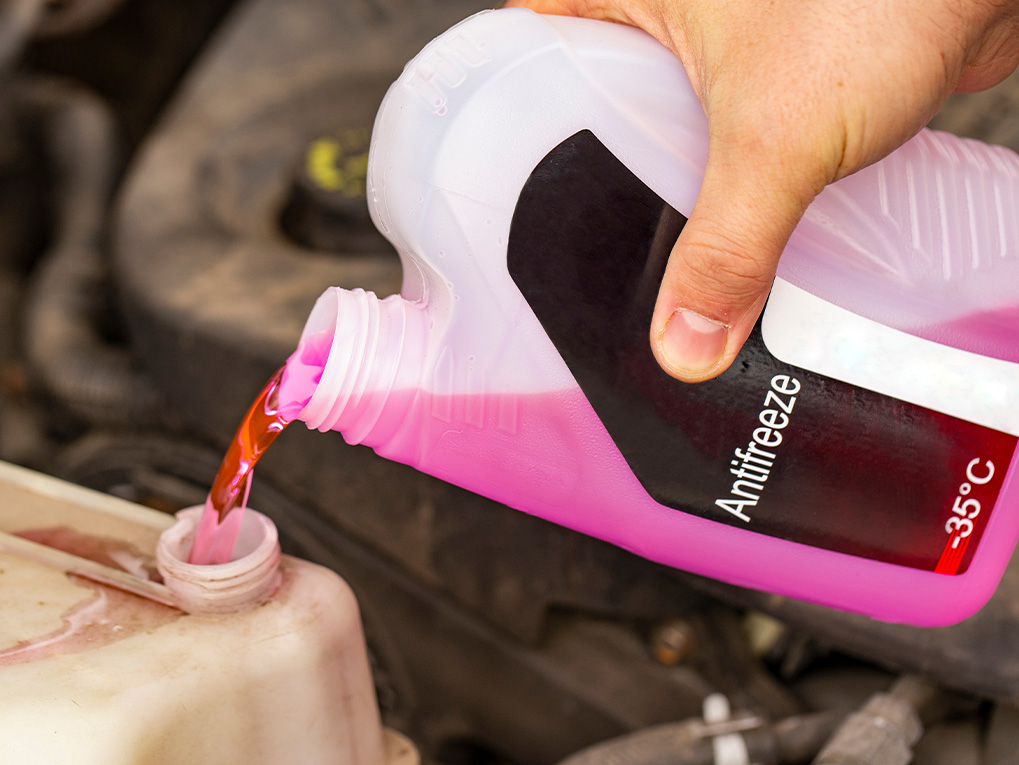
Antifreeze might keep your systems running cool and smooth – but dispose of it incorrectly, and things can heat up fast for your business.
If your business services vehicles, runs a fleet, operates plant equipment or maintains HVAC/generator systems, there’s a good chance you’ll produce used antifreeze/engine coolant at some point. And when it’s time to change it, you need a plan, because improper antifreeze disposal can quickly become an environmental incident and a paperwork nightmare.
This guide is written for UK businesses, and we’ll cover what antifreeze is, whether it’s the same as coolant, why it’s often classed as hazardous waste, and how to dispose of antifreeze compliantly.
- What Is Antifreeze?
- Why Is Antifreeze Considered a Hazardous Waste?
- Where Should I Pour Leftover Antifreeze?
- What Not to Do with Leftover Antifreeze?
- Where Does Antifreeze Go When Disposed of Correctly?
- Antifreeze Disposal: A Practical Step-by-Step for Businesses
- Can Antifreeze Be Recycled?
- How Do You Neutralise Antifreeze?
- Need Help with Antifreeze Disposal?
What Is Antifreeze?

Antifreeze and engine coolant are closely related chemical fluids, typically a mix of a glycol-based chemical and water used in engines and some cooling systems to control temperature and protect components. In plain terms, it helps stop systems freezing in winter, boiling in summer, and corroding over time. Antifreeze is closely tied to the term coolant, but there are differences.
Is Antifreeze the Same as Coolant?
Not exactly. They’re closely related, but they’re not the same thing.
Antifreeze (usually concentrate)
In most cases, antifreeze refers to a concentrated glycol-based product (often ethylene glycol, sometimes propylene glycol) blended with corrosion inhibitors and other additives. On its own, it’s typically not intended to be used neat in a vehicle cooling system.
Coolant/engine coolant (ready to use)
Engine coolant (or simply coolant) is the in-use fluid that circulates through the system. It’s usually a mixture of antifreeze and water, often around a 50:50 ratio (though manufacturers may specify different blends depending on application and climate).
What about ‘antifreeze coolant’?
People (and sometimes product labels) often use terms like ‘antifreeze coolant’ to mean one of two things:
- Pre-mixed coolant (ready to pour straight into the system), or
- Antifreeze concentrate sold with instructions to dilute before use.
Why is this important to know? Because if you’re searching for how to dispose of engine coolant, you’re typically dealing with the same waste stream used for antifreeze disposal – but classification can depend on what’s in it and what it’s been contaminated with.
Why Is Antifreeze Considered a Hazardous Waste?
Used antifreeze is commonly treated as hazardous because:
- The product itself can contain dangerous substances (depending on formulation).
- Once used, it can become contaminated with other hazardous materials (for example: oils, fuels, metals, or other workshop fluids).
That difference matters – because two containers of ‘used’ coolant on the same site can require completely different disposal routes.
UK waste classification uses EWC (European Waste Catalogue) codes to classify antifreeze correctly, and whether or not it’s hazardous:
- 16 01 14* = Antifreeze containing hazardous substances (hazardous).
- 16 01 15 = Antifreeze not containing hazardous substances (non-hazardous).
This difference in classification will affect the disposal route for antifreeze.
 Where Should I Pour Leftover Antifreeze?
For businesses, the safest answer to this is:
- Pour it into a dedicated, compatible, sealable container (usually HDPE) that’s in good condition and kept closed when not in use.
- Keep it inside secondary containment (bunding) away from drains.
- Label it clearly (e.g., used antifreeze/engine coolant – pending disposal – hazardous/non-hazardous) and keep incompatible wastes separate.
 What Not to Do with Leftover Antifreeze
Never. Ever. Pour antifreeze, antifreeze coolant, or used engine coolant down a drain, toilet, sink, gully or outside drain – and don’t tip it onto the ground.
Glycol-based chemicals are highly polluting, and once it reaches drainage systems, it can end up:
- In surface water drains (which often discharge straight to streams and rivers).
- At a wastewater treatment works, where it can disrupt treatment processes.
- Or in soil groundwater if it’s dumped outside or allowed to soak away.
It also poses a real risk to ecosystems, wildlife, and pets – spills can attract animals that enjoy its sweet taste, and ingestion can be fatal.
You also shouldn’t tip leftover antifreeze into IBCs or drums that previously held something incompatible, and definitely don’t decant it into a ‘mystery drum’. On that subject, please, for the love of all things sacred in the realm of compliance, don’t even have a mystery drum!
Additionally, the UK Vehicle Waste Classification guidance explicitly states that you must not mix antifreeze with other listed vehicle fluids such as oils, solvents, brake fluids, etc.
 Antifreeze Disposal: A Practical Step-by-Step for Businesses
Here’s a simple step-by-step process you can follow on site to keep antifreeze disposal safe, compliant, traceable and most of all, drama-free. Remember too, that our experts are only a phone call away.
#1 Keep it clean (and separate) from the start
Before you even think about final disposal or paperwork, focus on prevention. Don’t mix antifreeze/engine coolant with other fluids – doing so makes classification harder, increases risk, and can push you into a more hazardous (and more expensive) disposal route.
#2 Identify what you actually have
Ask two quick questions:
- Is it unused product (concentrate or pre-mix), or used coolant drained from a system?
- Has it been contaminated (oil, fuel, ingress, metals, degreasers, ‘workshop soup’)?
This matters because used coolant can range from relatively straightforward to fully hazardous, depending on what’s in it.
#3 Classify it using the correct EWC code
The EWC codes for antifreeze are:
- 16 01 14* = Antifreeze containing hazardous substances (hazardous).
- 16 01 15 = Antifreeze not containing hazardous substances (non-hazardous).
#4 Store it safely on site
- Use a compatible, sealable container (typically HDPE) in good condition.
- Keep it closed, upright and bunded (secondary containment).
- Label clearly: ‘Used antifreeze/engine coolant – pending disposal’ plus your classification where known.
- Keep it away from drains and traffic routes (forklifts + chemical waste drums = preventable incidents).
#5 Use the right paperwork
In England and Wales, the paperwork you use will depend on the classification:
- If it’s hazardous antifreeze (16 01 14*), it must move with a hazardous waste consignment note (HWCN).
- If it’s non-hazardous antifreeze (16 01 15), it normally moves with a waste transfer note (WTN).
Whether it’s identification, classification or ensuring you have the right paperwork, a good waste partner can help you where needed and arrange testing or assessments, so you’re not guessing.
 #6 Only hand it to authorised people
Your Duty of Care doesn’t end when the waste leaves your site. You must take reasonable steps to prevent escape/spillage, and to ensure your chosen waste carrier is properly authorised.
#7 Collection, transport and treatment
A compliant waste contractor will confirm that the classification and packaging of your waste are correct, collect the waste using suitable containment and vehicles, complete the relevant sections of your paperwork, and then take the waste to an authorised site for treatment.
#8 Keep your records and apply the waste hierarchy
Whatever type of waste you’re handling, you’re expected to apply the waste hierarchy, following its priority order where reasonable to do so. This helps ensure the most sustainable waste treatment routes are used.
So, how long do you need to keep hazardous waste consignment/waste transfer notes?
- Hazardous Waste Consignment Notes (HWSNs) must be kept for at least three years.
- Waste Transfer Notes (WTNs) must be kept for at least two years.
Can Antifreeze Be Recycled?
Sometimes, yes. If the antifreeze is suitable (and not heavily contaminated), it may be treated/recycled through specialist processes that purify it by removing contaminants, allowing it to be reprocessed into new antifreeze.
The right route depends on composition and contamination; it’s best not to assume it’s recyclable because it looks clean – classification comes first, then the best available option.
How Do You Neutralise Antifreeze?
On-site antifreeze neutralisation is not a recommended or typical compliance route for businesses producing coolant waste. This is because adding other chemicals to ‘treat’ antifreeze can actually create a new waste stream, new hazards, and new classification issues.
What you can do safely, however, is manage any spillages.
Here’s an easy way to safely manage an antifreeze spill:
- Contain the spill.
- Use absorbents.
- Keep contaminated absorbents separate (these may become hazardous too).
- Prevent any washdown to drains.
That’s a high-level overview at least, but we also have a blog on chemical spill response procedures you may find helpful.
Ultimately, if you need a treatment route for antifreeze, that should happen through a permitted facility as part of an agreed waste management solution – not improvised on the workshop floor.
 Need Help with Antifreeze Disposal?
Hazport can help your business dispose of antifreeze using the ‘no guessing’ methodology. If your site regularly produces antifreeze (garages, automotive workshops, depots, plant maintenance, engineering sites, facilities teams, etc.), we can take the pain out of its compliant disposal.
- Correct classification support (no more gambling on codes).
- Compliant containers and segregation advice.
- Scheduled collections that fit around your operation.
- Consignment paperwork handled correctly.
- Documented traceability and a straight-talking team when you need answers.
That’s the Hazport approach – hazardous waste made easy – fast response, clear guidance, and no jargon.
Contact us today to learn more about our chemical waste disposal services and how we can help you create a safer and more compliant waste management system for your facility.