Do you know the common causes of waste and recycling facility fires? How about the business wastes most likely to trigger them?
Waste and recycling facility fires rarely start with something dramatic. More often than not, it’s an item deemed as ‘safe’ put in the wrong bin, or a small amount of contamination in the wrong container. This usually becomes a problem later – once it’s been compacted, shredded, baled, crushed, heated or mixed with other materials.
This matters for UK businesses because the biggest levers for prevention sit upstream, where the waste is produced. So let’s take a dive into that to find out how you can avoid a downstream fire.
- The Business Wastes Most Likely to Cause Fires
- Why Waste Fires Occur Downstream
- A Lecture Free Note on Waste Compliance
- A Practical 30 Day Framework to Reduce Downstream Fire Risk
- Closing Takeaway
- Remove the Guesswork (and the Fire Risk) with Hazport
The Business Wastes Most Likely to Cause Fires
Let’s look at the most likely hazardous business wastes to cause downstream fires and what to do about them, as well as a few misconceptions cleared up – no scare tactics, no jargon, just information that can help your business avoid these issues.
Lithium Batteries
Most common culprits:
- Batteries and battery packs used in power tools, laptops, e-bikes and e-scooters.
- Vapes (especially disposables), power banks, handheld scanners and radios.
- Equipment with embedded cells, such as lights, alarms, sensors and small electronics.
Cause of fire:
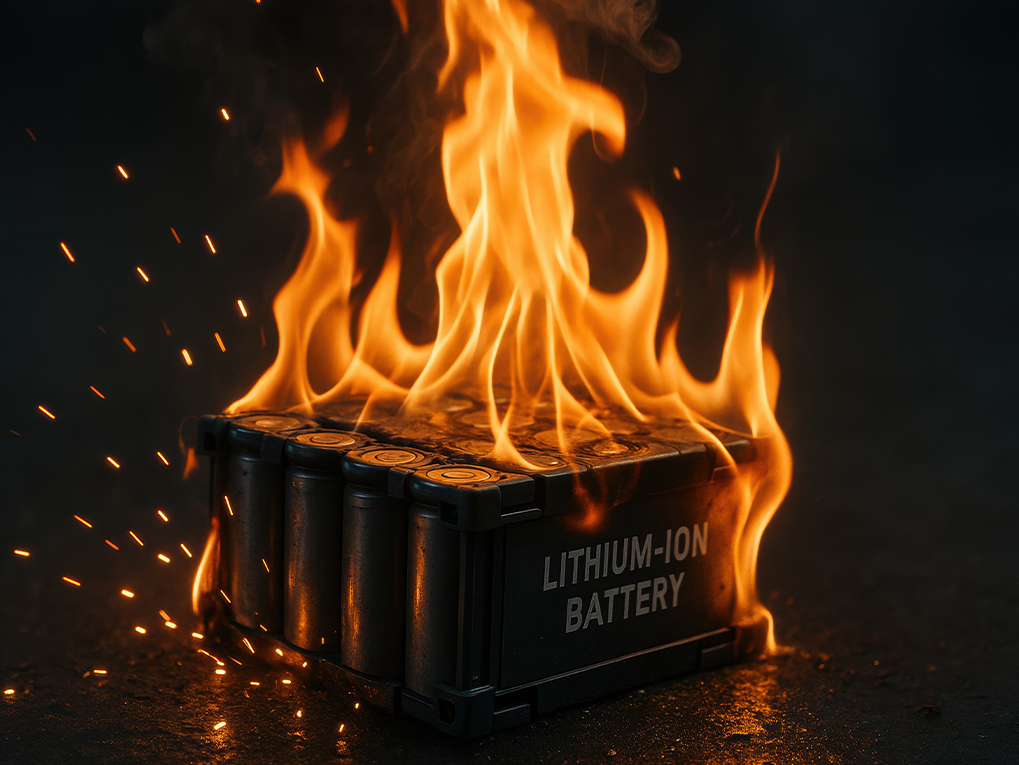
When damaged, lithium batteries can enter thermal runaway – often after compaction or shredding – creating intense, rapidly developing fires that are difficult to extinguish.
Common misconception:
“Surely they can’t do much damage, they’re tiny.”
Small cells can produce enough heat to ignite surrounding paper, plastics, films and residual flammable contamination. The issue isn’t just the battery; it’s the fuel package around it.
Tips for avoiding lithium battery fires:
- Never place batteries in general waste or mixed recycling.
- Set up a dedicated battery segregation point where batteries are removed at source.
- Tape terminals to prevent short circuits.
- Store batteries in a non-combustible lidded container; keep damaged or swollen batteries separate and clearly marked.
- Keep storage cool, dry and away from flammables.
- Train staff to spot ‘battery-in-disguise’ items like vapes and other small electronics.
See our complete guide to lithium battery disposal for UK businesses.
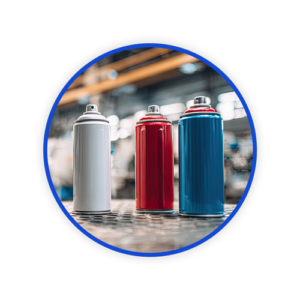 Aerosols and Pressurised Containers
Most common culprits:
- Aerosol lubricants, spray paints, cleaning sprays, adhesive sprays.
- Camping gas cylinders, CO2 cartridges and small LPG cylinders.
- Nitrous oxide canisters (increasingly seen in waste streams).
Cause of fire:
Even ‘empty’ aerosols often retain propellant or residue. When heated or crushed, they can rupture – turning into a projectile and dispersing flammable product. The Fire Protection Association notes flammable aerosols can be more hazardous than some flammable liquids because containers can rupture and spread burning liquid.
Common misconception:
“It’s safe as long as it feels empty.”
An aerosol isn’t safe because it feels empty; it’s safe when it has been properly managed as pressurised waste.
Tips for avoiding aerosol and pressurised container fires:
- Segregate aerosols and canisters into a clearly labelled, dedicated container.
- Don’t puncture or crush unless you have a compliant system designed for it.
- Keep away from heat sources and direct sunlight.
- If you produce high volumes of this waste, implement a documented process as part of your site’s dangerous goods and fire safety controls.
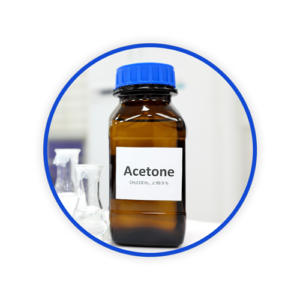 Flammable Liquids and Solvent-Based Wastes
Most common culprits:
- Solvent thinners, acetone, degreasers and fuels.
- Solvent-based paints, varnishes, resins and adhesives.
- Contaminated rags, wipes, absorbent pads and spill kits.
Cause of fire:
Flammable liquids produce vapours which can ignite easily in the right concentration. UK workplaces are expected to manage these hazards in accordance with the Dangerous Substances and Explosive Atmospheres Regulations (DSEAR).
Common misconception:
“There’s only a little bit left; it won’t cause any harm.”
Small residues still give off gas vapours, and many small residues together can create a higher volume of vapour.
Tips for avoiding flammable liquid and solvent-based fires:
- Keep flammable liquids in original containers where possible, sealed and upright.
- Segregate flammable liquid waste from oxidisers and reactive chemicals.
- Store in suitable, labelled containers and secondary containment such as bunding where appropriate.
- Don’t ‘make space’ by combining different solvent wastes unless you’ve confirmed compatibility and that your waste contractor will accept it.
 Oily Rags and Self-Heating Wastes
Most common culprits:
- Rags or wipes with linseed oil, wood oils, some paints and stains.
- Oily absorbents from maintenance work (hydraulic oils, lubricants).
- Some organic/warm loads such as compostable residues and biomass fines.
Cause of fire:
Self-heating is an internal chemical process in which oxidation generates heat; if the heat can’t escape, the temperature rises until ignition.
Common misconception:
“Spontaneous combustion is a myth.”
It’s not. It’s spontaneous human combustion that’s the myth. Spontaneous combustion, in itself, is a recognised ignition mechanism, especially in certain oils and porous materials that trap heat.
Tips for avoiding oily rag and self-heating waste fires:
- Don’t let oily rags accumulate in open piles or general waste.
- Use a dedicated, lidded metal container for oily rags and absorbents.
- Keep this stream separate from general combustibles like paper, card and plastics.
- If you frequently generate oily absorbents, create an SOP and train staff on proper handling and disposal.
 Oxidisers and Reactive Chemicals
Most common culprits:
- Swimming pool and spa chemicals (oxidisers), peroxides, certain laboratory chemicals.
- Strong cleaning oxidisers used in food production, facilities, healthcare.
Cause of fire:
Oxidisers don’t have to ‘burn’ themselves to create a fire – they can accelerate combustion or react dangerously with organics or other incompatible materials.
Common misconception:
“It’s not flammable, so it can be stored with general chemicals.”
Oxidisers are often worse when mixed incorrectly because they can intensify fires in surrounding materials. Guidance on incompatibility is blunt: mixing incompatible chemicals and wastes can create heat, over-pressurisation, and fire.
Tips for avoiding oxidiser and reactive chemical fires:
- Keep oxidisers in original packaging, sealed, dry and segregated from organics and flammables.
- Never dispose of ‘unknowns’ by combining them.
- If you have multiple chemical streams, implement a compatibility check process – this could be as simple as a flowchart poster or checklist.
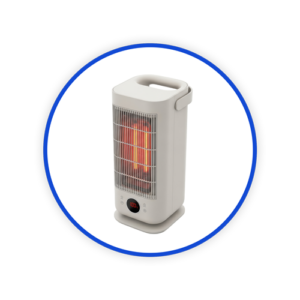 Hot Loads and Legacy Ignition Sources
Most common culprits:
- Ashes, hot metalwork residues, heat lamps, heaters.
- Smoking materials in general waste.
Cause of fire:
Smouldering material can sit unnoticed in a skip or bale until oxygen is introduced during movement.
Common misconception:
“If it’s not visibly glowing, it’s cooled down enough to be disposed of.”
Have you ever cleaned a firepit or chiminea the morning after using it? They’re usually still warm, right? Ash and fine residues can retain heat for a long time – especially when insulated by a bag, mixed with cardboard, or stored near other combustibles. It doesn’t need flames at the point of disposal to become a downstream ignition source.
Tips for avoiding a hot load and legacy ignition fires:
- Don’t dispose of warm or hot materials until fully cooled and verified.
- Use metal bins for ash-like materials and keep separate from combustibles.
Why Waste Fires Occur Downstream
Which of your own waste streams could spark (pardon the pun) one of these scenarios tomorrow for your local waste or recycling facility?
There are several reasons hazardous waste can cause downstream fires, and if your business produces any hazardous waste, it’s worth knowing.
Hidden Ignition Sources
Items that can ignite when damaged – especially lithium batteries – enter general waste or recycling streams and then get crushed or punctured during handling or processing. The Waste Industry Safety and Health Forum (WISH) highlights battery fires occurring in reception, storage, and processing areas, as well as being a risk to picking-cabin workers.
Pressurised Containers Rupturing
Aerosols and gas canisters can burst under heat or pressure, becoming projectiles and spreading burning material.
Flammable Vapours Finding an Ignition Point
Solvent-based wastes can release vapours that ignite if stored/handled poorly. The HSE’s guidance on flammable liquid storage focuses on controlling vapours and ignition sources.
Self-Heating (Spontaneous Combustion)
Some wastes generate heat internally (oxidation/exothermic reactions). If that heat can’t escape, the temperature rises until ignition.
A good example of this is hay. Hay spontaneously combusts when moisture levels are high during baling. This causes microorganisms to break down organic matter, generating immense internal heat. That’s why you should always make hay while the sun shines…
Incompatible Chemicals Reacting
Mixing ‘unknowns’ or storing reactive materials together can generate heat, gases, or violent reactions. Chemical incompatibility guidance is clear: mixing incompatible wastes can cause fire or over-pressurisation.
 A Lecture-Free Note on Waste Compliance
Under the UK Waste Duty of Care, businesses must take reasonable steps to prevent waste causing harm to people or the environment. This doesn’t only apply to your site; it also applies downstream at every stage of the waste journey. In practice, that means storing waste safely, describing it accurately, and keeping high-risk items like batteries, aerosols and flammable residues out of the wrong streams.
The fire risk doesn’t disappear when waste is incorrectly segregated or misclassified; it moves downstream, but the liability and consequences remain with the waste producer.
Your Waste Duty of Care isn’t just paperwork or unnecessary regulation; it’s about stopping your waste from becoming a risk to someone else. Correct segregation, storage and waste descriptions are how businesses meet that obligation in practice.
Closing Takeaway
Waste facility fires are rarely caused by ‘bad luck’. They’re usually caused when everyday waste decisions are made without understanding how that waste behaves later in the chain. One preventable item being treated as ordinary waste is all it takes.
If your business produces any of the waste types or streams above, the goal isn’t to panic; it’s to put clear controls in place so the risk doesn’t travel downstream. Getting segregation, handling, and storage right at the source, and backing it up with ongoing training and culture is one of the most effective – and overlooked – fire-prevention measures available.
 Remove the Guesswork (and the Fire Risk) with Hazport
At Hazport, remove the guesswork from hazardous waste and make disposal easy. Our mobile chemists, fast response times, ADR-compliant packaging, and end-to-end traceability through approved facilities make us a strong partner for your business.
No more waiting, guessing or wondering – just safe, compliant outcomes that stand up to scrutiny and make your audits pain-free.
Our experienced team is ready to support you every step of the way, from identifying and segregating waste to final disposal – we can even help you with waste audits!
Contact us today to learn more about our hazardous waste disposal services and how we can help you create a safer and more compliant waste management system for your facility.